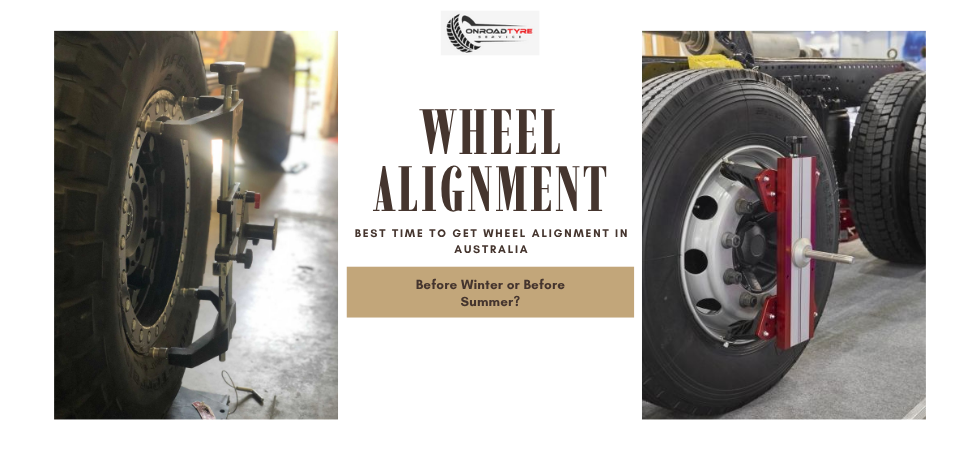
Best Time to Get Wheel Alignment in Australia: Before Winter or Before Summer?
Wheel alignment is one of the most essential yet overlooked aspects of car maintenance in Australia. With the country’s diverse climates—from scorching summers to wet, chilly winters—drivers often wonder when is the best time to get their wheel alignment checked. Should it be done before winter arrives or before summer begins?
At ONROAD Tyre, we frequently assist Australian motorists who experience alignment issues at seasonal transition periods. Understanding the best timing can save you money, extend tyre life, and ensure safer and smoother driving.
In this comprehensive guide, we break down how seasons affect your vehicle, why wheel alignment matters more than you think, and how it connects to services like tyre balancing, tyre balance and alignment, and tyre rotation.
What Is Wheel Alignment and Why Is It Important?
Wheel alignment refers to adjusting the angles of the wheels so they’re perfectly aligned with each other and the road. When the alignment is correct, your tyres run straight and smoothly, reducing wear and improving driving performance.
Poor wheel alignment leads to:
- Faster tyre wear
- Increased fuel consumption
- Vehicle pulling left or right
- Unstable handling
- Reduced safety
Proper alignment is essential for maintaining the life and efficiency of your tyres, especially when paired with tyre balancing and tyre rotation.
Australia’s Seasons and Their Impact on Your Wheels
Australia experiences extreme seasonal variations. Hot summers bring expanded tyres and softened road surfaces, while winters introduce colder temperatures, wet roads, and pothole formation.
Both seasons create unique challenges that affect wheel alignment, making timing an important factor.
Should You Get Wheel Alignment Before Winter?
Yes — and here's why
Before winter begins, Australian roads often become wetter, more uneven, and more slippery due to rain, storms, and falling temperatures. Winter conditions increase the chances of:
- Hitting potholes
- Sliding into curbs
- Experiencing uneven tyre wear
- Losing grip on wet roads
Why Alignment Before Winter Helps:
1. Better Grip on Wet Roads
Wheel alignment ensures maximum tyre contact with the road, helping prevent hydroplaning and loss of control during rain.
2. Reduced Risk of Skidding
Proper alignment stabilises the steering, providing better control in slippery conditions.
3. Protects Tyres from Accelerated Winter Wear
Misaligned wheels wear out unevenly, which worsens during wet and cold conditions.
4. Enhances Vehicle Safety
Winter is a season of increased accidents. Correct wheel alignment helps keep your vehicle stable and predictable.
5. Works Best When Combined With Tyre Balancing
During winter, tyres often lose pressure faster due to cold temperatures. Tyre balancing ensures smoother driving and prevents the wobbles that commonly occur in colder months.
Should You Get Wheel Alignment Before Summer?
Absolutely — summer brings its own risks
Australian summers are harsh. The heat affects both tyres and suspension components, leading to potential misalignment.
Why Alignment Before Summer Helps:
1. Hot Weather Expands Tyres
With rising temperatures, rubber expands, altering tyre shape and causing uneven wear if wheels are misaligned.
2. Road Surfaces Soften
During summer, roads can become softer—especially in rural or outback highways—leading to small dips, ruts, and misalignment risks.
3. Long-Distance Trips Are Common
Summer is travel season. Whether holidaying with family or towing a caravan, proper alignment ensures fuel efficiency and tyre safety.
4. Reduces Steering Vibration on High-Speed Highways
Poor alignment creates vibrations that worsen at highway speeds. Pairing alignment with tyre balancing before summer ensures a smooth journey.
5. Prevents Tyre Blowouts
Heat + misaligned tyres = dangerous tread wear, which often leads to blowouts.
Wheel Alignment Before Winter vs Before Summer — Which Is Better?
Before Winter: Best for Safety & Traction
- Rain
- Slippery surfaces
- More potholes
- Tyre pressure drops
Best if: You drive daily, especially in areas with frequent winter rain.
Before Summer: Best for Tyre Life & Road Trips
- Heat expands tyres
- Long-distance driving
- Higher speeds
- Road softening
Best if: You plan road trips, highway travel, or carry heavy loads.
Final Verdict: Get Wheel Alignment Twice a Year
Australians should check alignment:
- Before winter, and
- Before summer
This ensures year-round stability, safety, and tyre health.
How Tyre Balancing and Tyre Rotation Fit Into the Seasonal Schedule
Tyre Balancing
Seasonal Benefits:
- Prevents vibration during long summer drives
- Smooths out steering in slippery winter conditions
- Reduces uneven tread wear
- Improves fuel efficiency
Tyre Rotation
Seasonal Benefits:
- Reduces uneven tread patterns
- Extends tyre lifespan
- Improves braking and cornering performance
- Helps with traction on both hot and wet roads
Best practice in Australia: Rotate your tyres every 12,000–15,000 km or at every seasonal maintenance check.
Signs You Need Immediate Wheel Alignment (Regardless of Season)
- Steering wheel pulling left or right
- Uneven tyre wear
- Vibrations at high speeds
- Off-centre steering wheel
- Poor fuel efficiency
- Tyres squealing while turning
How Often Should Australians Get Wheel Alignment?
- Every 10,000–15,000 km
- Twice a year (summer & winter)
- After hitting a pothole, curb, or debris
- When installing new tyres
- When you notice handling or steering changes
Conclusion: Both Seasons Matter, but Your Driving Habits Decide
Wheel alignment is not a seasonal luxury—it’s essential. Whether before winter or before summer, proper alignment ensures:
- Better fuel efficiency
- Longer tyre life
- Improved safety on wet or hot roads
- Stronger vehicle performance
- Stable steering at all speeds
For best results, combine your alignment with tyre balancing and tyre rotation to maximise the lifespan and efficiency of your tyres.
At ONROAD Tyre, we provide professional, reliable, and affordable tyre balance and alignment services tailored for Australian conditions.